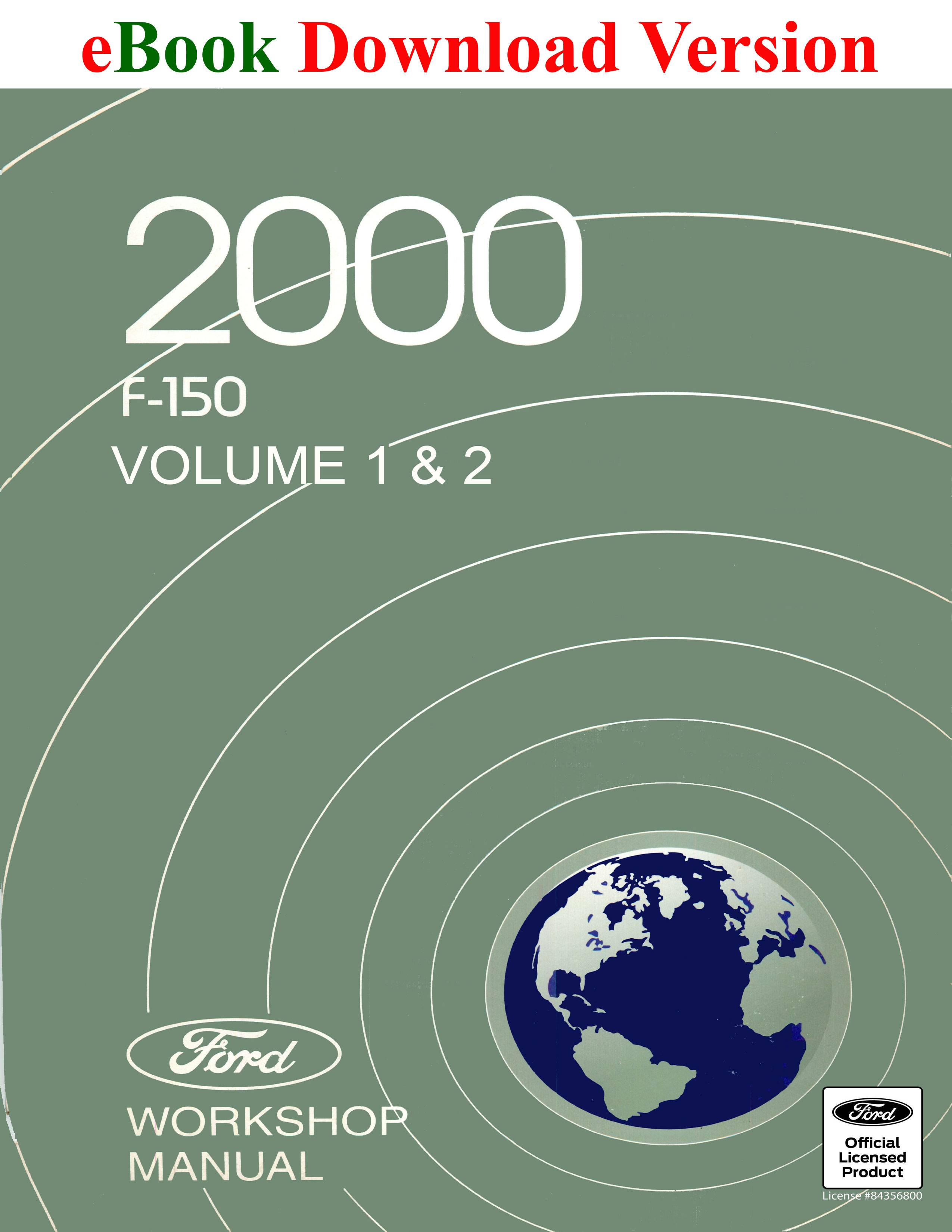
The year 2000 represented a sweet spot for the Ford F-150—late enough to benefit from decades of refinement, yet early enough to avoid the complexity that would define later models. If you're lucky enough to own one of these workhorses, or if you're considering picking one up as a project truck, understanding what makes the official workshop manual such an invaluable resource isn't just helpful—it's essential for keeping your truck running strong.
Why This Manual Stands Apart from Generic Repair Guides
Here's something most truck owners don't realize: the 2000 F-150 came in an astonishing variety of configurations. We're talking Regular Cab, SuperCab, and Crew Cab body styles, 4x2 and 4x4 drivetrains, and engine options ranging from the 4.2L V6 to multiple 5.4L V8 variants—including natural gas and bi-fuel configurations. Generic repair manuals typically cover these variations with a broad brush, leaving you guessing whether a procedure applies to your specific setup. Ford's official workshop manual eliminates that guesswork entirely by providing VIN decoding systems that pinpoint your exact configuration, from your axle ratio (anywhere from 3.08 to 3.73) to your specific transmission type and spring codes.
The Safety System You Didn't Know You Needed
One aspect that separates professional-grade manuals from DIY guides is how they approach safety. This manual employs a three-tier alert system that's become standard in professional shops: NOTES for helpful tips, CAUTIONS to prevent vehicle damage, and WARNINGS for procedures that could result in injury. This isn't just legal boilerplate—it's genuinely useful information. For instance, the jacking procedures section doesn't just tell you where to place a jack; it warns you to turn off the air suspension system before jacking (critical for certain models), never to use halfshafts or the differential housing as lifting points, and provides specific jacking locations that vary between 4x2 and 4x4 models.
Solving the Mysteries of NVH (Noise, Vibration, and Harshness)
Every older F-150 owner has experienced it: that mysterious rattle, drone, or vibration that seems to defy logic. The manual's comprehensive NVH diagnostic section is worth its weight in gold for tackling these issues. It even addresses a common scenario where unfamiliar drivers mistake normal operational sounds—like the Traction-Lok differential noise during slow turns—for mechanical problems. The systematic seven-step diagnostic process outlined in the manual walks you through customer interviews, pre-drive checks, road testing, and component-specific tests. This methodical approach is exactly what dealership technicians use, and it prevents the expensive trial-and-error parts swapping that plagues amateur repairs.
Decoding Your Truck's DNA
The Vehicle Certification label might seem like just another sticker, but understanding how to read it unlocks crucial information about your truck's original specifications. The manual details 12 coded specifications covering everything from exterior paint colors (11 clear coat options for U.S. builds, 7 non-clear coat variants for Mexico builds) to specific powertrain calibration codes. These calibration codes are particularly important—Ford used three different protocols for worldwide standardization depending on when the electronic calibration strategy was introduced. If you're troubleshooting electrical issues or planning modifications, knowing your calibration protocol can save hours of frustration.
The Bottom Line for 2000 F-150 Owners
Whether you're a weekend warrior tackling your first brake job or an experienced mechanic maintaining a fleet, this workshop manual provides the foundation for confident, accurate repairs. It's not just about having instructions—it's about having the right instructions for your specific truck, backed by Ford's engineering knowledge and formatted the way professional technicians actually work. In an era where trucks are increasingly complex yet still fundamentally serviceable, having factory-level documentation isn't a luxury—it's the difference between a successful repair and an expensive mistake.