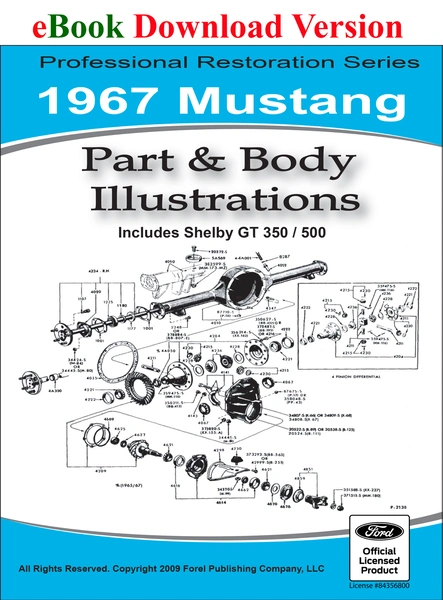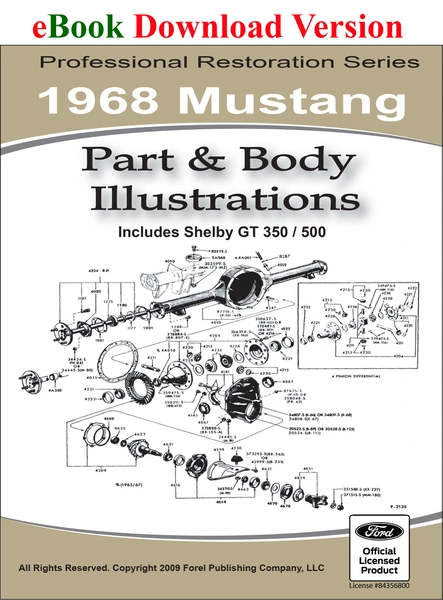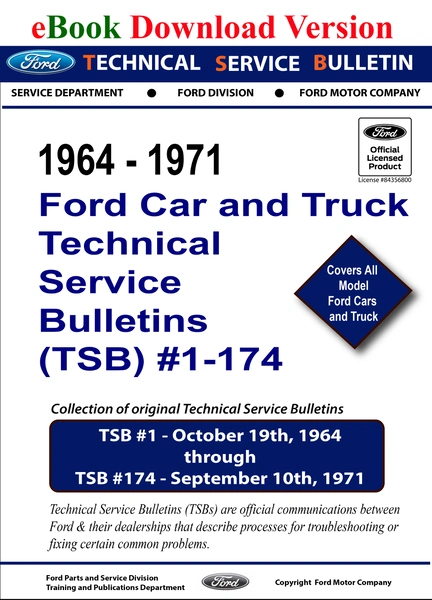
If you've ever worked on a classic Ford from the mid-to-late '60s, you know that moment of frustration when something just won't cooperate. Maybe it's a mysterious water leak, an alternator that keeps failing, or a clutch that shudders for no apparent reason. Here's the thing: you're probably dealing with a known issue that Ford engineers documented decades ago—and the solution is sitting in these Technical Service Bulletins.
What Makes These Bulletins Different from a Shop Manual?
While your standard Ford shop manual gives you the baseline procedures for repairs and maintenance, Technical Service Bulletins tell a completely different story. These weren't written before the cars hit the road—they were created after dealership mechanics started reporting real-world problems. Between October 1964 and September 1971, Ford issued 174 bulletins addressing everything that went wrong, wore out prematurely, or needed correction on their vehicles.
Think of TSBs as the "lessons learned" documents. When dozens of dealerships reported the same carburetor flooding issue or brake drag problem, Ford's engineers investigated, found the root cause, and issued a bulletin with the fix. This wasn't theoretical knowledge—it was battle-tested solutions from the front lines of automotive repair.
The Real-World Problems These Bulletins Solve
The scope of issues covered here is remarkable. You'll find solutions for mechanical headaches like clutch shudder, transmission fluid loss, and engine oil consumption—problems that can leave you scratching your head if you're only working from the original shop manual. There's detailed troubleshooting for electrical gremlins, including charging indicator problems, battery discharge issues, and alternator regulator failures that plagued many '60s Fords.
But it's not just the major mechanical systems. These bulletins address quality-of-life issues that often drive classic car owners crazy: wind noise, door rattles, water leaks, squeaks in the body panels, and even paint matching problems. If your '66 Mustang has a mysterious water leak that doesn't appear in the shop manual, there's probably a TSB that identifies exactly where it's coming from and how to fix it permanently.
Why This Era of Ford Vehicles Matters
The 1964-1971 period represents some of Ford's most iconic vehicles. The Mustang debuted in 1964 and quickly became a cultural phenomenon. The F-Series trucks were evolving into the workhorses we know today. Fairlanes, Falcons, and full-size Galaxies filled America's driveways. But this was also a time of rapid technological change—Ford was introducing new systems, materials, and manufacturing processes that sometimes needed refinement.
These bulletins document that refinement process. You'll see updates to camshaft bearing specifications, revised procedures for oil pan installation, corrections to distributor specs, and modifications to components that didn't quite meet expectations in the field. It's a fascinating window into how automotive manufacturing worked before computer-aided design and modern quality control.
The Value for Today's Classic Ford Owner
If you're restoring a '65 Mustang or maintaining a '68 F-100, these bulletins are worth their weight in gold. They'll save you countless hours of diagnostic time by pointing directly to known issues and proven fixes. Many of the problems documented here still plague these vehicles today—components wear out, systems fail in predictable ways, and having the original factory solution means you're not reinventing the wheel.
Perhaps most importantly, these TSBs give you the confidence that you're fixing things the right way, using the methods Ford's own engineers developed. When you're investing time and money into a classic vehicle, that kind of authoritative guidance is invaluable.